


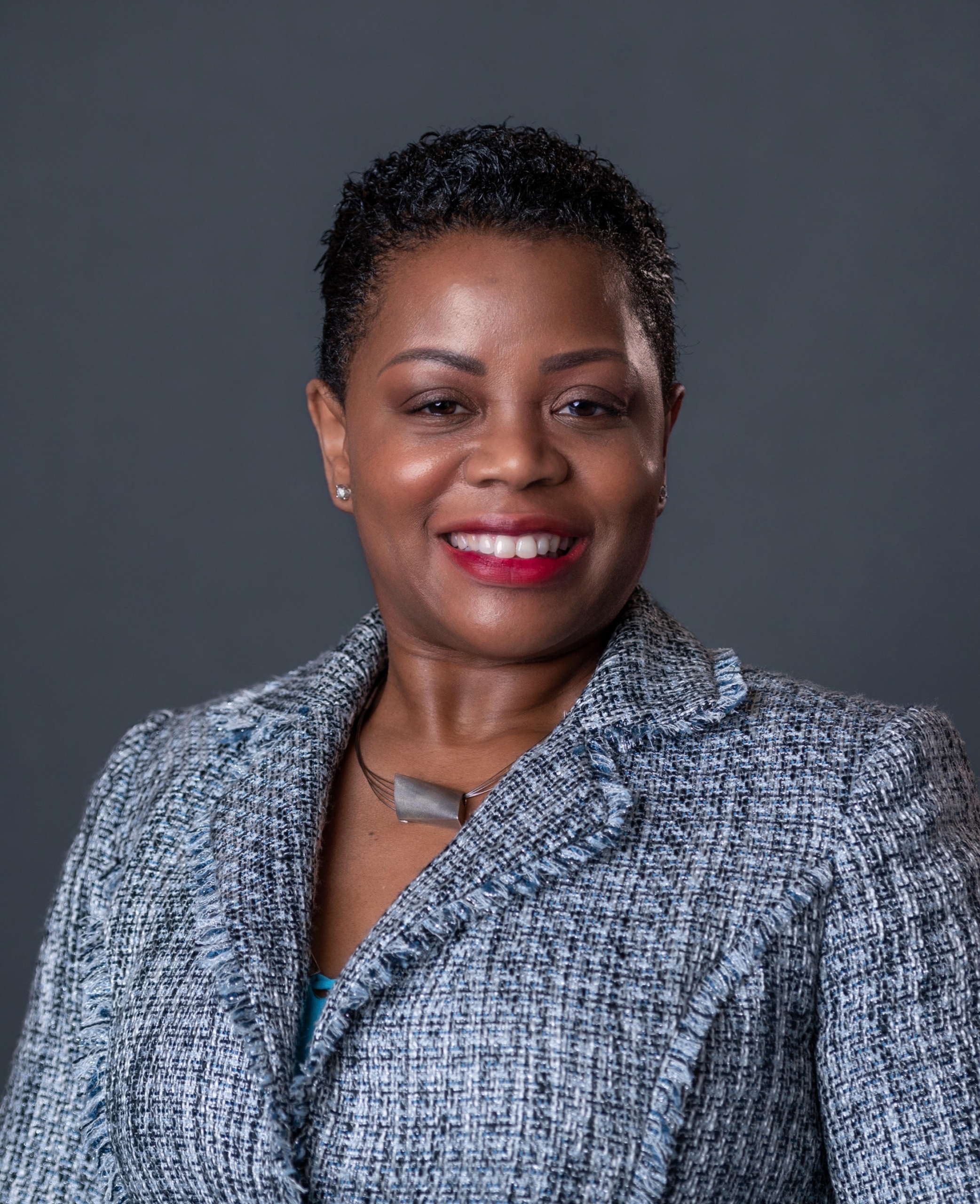
 By: Dr. Michelle W. Hellstern, CHP, CHC
When most people think about healthcare compliance, they picture regulatory citations, policy manuals, audits, and training modules. And while those are essential, compliance work is ultimately about people—protecting patients, preserving dignity, and ensuring care is safe, ethical, and equitable.
I was reminded of this truth in the most personal way when my father fell ill and was later diagnosed with pancreatic cancer. Fifteen months have now passed since his death, and I have reflected deeply on how my professional training in healthcare compliance unexpectedly prepared me for a role I never anticipated but was honored to take on: serving as his healthcare advocate and caregiver.
Compliance as Caregiving
Compliance professionals are trained to navigate HIPAA requirements, understand patient rights, interpret hospital and ambulatory regulations, and ensure decisions align with both law and ethical duty. Those skills became indispensable when I assumed Power of Attorney (POA) for my father. Suddenly, the regulations I had enforced were no longer abstract; they became tools to safeguard someone I loved.
The process of securing POA with each provider revealed just how fragmented healthcare systems can be. Without persistence and documentation, critical decisions could have been delayed. My background in compliance equipped me to coordinate care, communicate clearly, and advocate for timely, appropriate treatment.
Advocacy in Action
Several times, I found myself challenging medical decisions, particularly around premature discharge planning. My understanding of medical necessity criteria, safe discharge requirements, and patient rights was not theoretical—it was my father’s safety net.
I scheduled additional tests, reviewed insurance policies, and vetted rehabilitation and hospice programs. Case workers, though dedicated, cannot devote extensive time to one patient’s unique needs. Without strong advocacy, patients risk being discharged into unsafe environments or directed toward services that do not reflect their wishes.
On one occasion, I walked directly to the Chief Medical Officer’s office to appeal a discharge decision. After review, the hospital reversed course, ensuring my father remained until his pain management stabilized. It was a powerful reminder that compliance knowledge, combined with persistence, can change outcomes.
Beyond Regulation: Ethics and Humanity
This experience underscored that compliance is not only about regulatory adherence—it is deeply about ethics. Regulations provide the floor, but compassion, transparency, and advocacy must build the ceiling.
Selecting a hospice program, managing medications, and coordinating end-of-life transitions required both technical knowledge and empathy. These decisions demanded balancing compliance standards with respect for my father as a human being—not just as a patient, navigating the system.
The Broader Role of Compliance Professionals
My journey reinforced a larger truth: compliance professionals are not merely risk mitigators; we are culture shapers. By building relationships, fostering transparency, and positioning compliance as a partner rather than a barrier, we strengthen both patient care and organizational resilience.
Having worked in one of the nation’s premier academic health systems, I have seen how compliance programs influence outcomes. When leaders model ethical behavior, encourage open dialogue, and embed compliance into organizational culture, we create systems that protect patients while enabling efficient, effective operations.
Why This Matters for Our Profession
As a semi-retired compliance leader, I sometimes viewed the work as distant from the bedside. But my caregiving experience revealed just how far its impact extends. Every training session delivered, policy drafted, or investigation conducted has the potential to shape the care families receive at their most vulnerable moments.
In many ways, compliance professionals are hidden caregivers—ensuring systems protect patients even when no one is watching. My father’s journey reminded me that our work is profoundly human. And when those skills are called upon outside the office, they make us stronger advocates, better decision-makers, and more compassionate family members.
A Call to Reflect
Fifteen months later, I carry the grief of losing my father alongside gratitude for the tools my career gave me to support him. My hope is that this story prompts compliance professionals to reflect on the deeper meaning of our work.
We are not only regulatory stewards, but we are also guardians of dignity, rights, and ethical care. When practiced with heart, compliance transforms from obligation into advocacy. And sometimes, that advocacy becomes profoundly personal.
About the Author
Dr. Michelle W. Hellstern, CHP, CHC, is a reimagined healthcare compliance executive with more than 23 years of experience in compliance, privacy, governance, rate and reimbursement and risk mitigation across premier health systems, including University of Florida Health, Luminis Health, MedStar Health, and the University of Maryland Medical System.
Her professional expertise is closely connected to her personal journey. She stepped away from executive roles to serve as advocate for her late father during his illness and now supports her mother, who lives with dementia—experiences that reinforced her belief that compliance systems must ultimately enhance quality of life.
Today, Dr. Hellstern serves as Senior Advisor to the Brian & Patricia Giese Foundation, a family foundation dedicated to advancing faith-based initiatives and supporting nonprofit organizations that advocate for youth. In this role, she helps design grantmaking strategies, build community partnerships, and ensure philanthropy delivers lasting, ethical impact.